
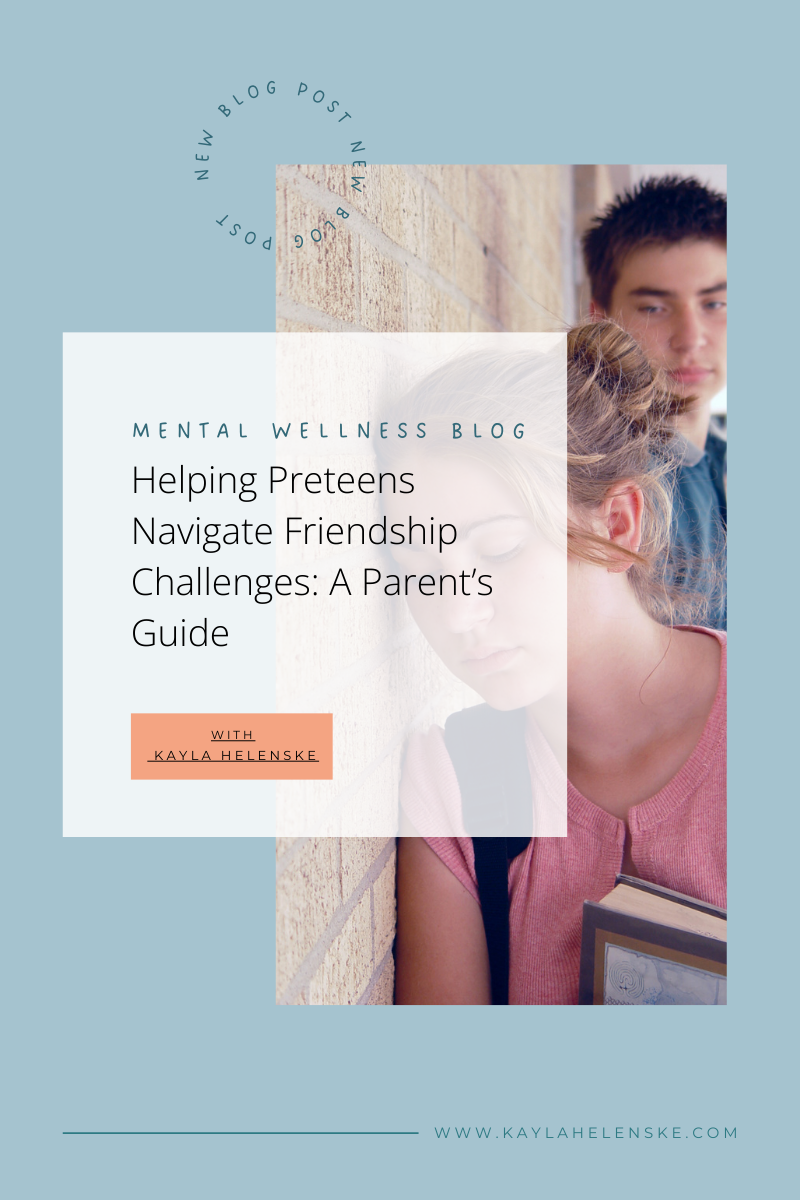
Helping Preteens Navigate Friendship Challenges: A Parent’s Guide
Friendships can be the best part of preteen life—and the hardest. Your child comes home hurt because they weren’t invited to a party or feels unsure about how to handle a disagreement. As a parent, it’s tough to watch them struggle, but these challenges are also opportunities for growth.
So how do you guide your preteen through these tricky waters without taking over?
Friendships can be the best part of preteen life—and the hardest. Your child comes home hurt because they weren’t invited to a party or feels unsure about how to handle a disagreement. As a parent, it’s tough to watch them struggle, but these challenges are also opportunities for growth.
So how do you guide your preteen through these tricky waters without taking over?
Understanding the Preteen Social World
At this age, friendships start to carry more weight. They’re about more than shared interests—they become central to identity and self-worth. That’s why every conflict feels like the end of the world to your child.
As a parent, your role isn’t to fix the problem but to equip your child with tools to handle it themselves.
Key Conversations to Have with Your Preteen
Instead of jumping in with solutions, start by listening. Ask open-ended questions like, “How did that make you feel?” or “What do you think you’ll do next?” These questions encourage your child to process their emotions and consider their options.
When they’re ready, offer gentle guidance. Share stories of your own childhood friendships—both the good and the challenging. Hearing that you’ve been through similar struggles can be incredibly reassuring.
Finally, remind your preteen that it’s okay to set boundaries. True friends respect each other’s feelings, and it’s okay to step back from friendships that feel one-sided or hurtful.
Want more tools to support your preteen? Download my free guide: How to Help Your Preteen Make Confident Choices and empower your child to navigate these challenges with self-assurance.

How to Talk to Your Preteen About Emotions: A Parent’s Guide
Talking to your preteen about emotions can feel like walking through a minefield. One minute they’re spilling their hearts out; the next, you’re met with an eye roll and a slammed door. Navigating these moments is tough—but it’s also an opportunity to strengthen your relationship and help your preteen develop emotional resilience.
If you're unsure where to start, don’t worry—you're not alone. Here are practical, mindful strategies to create open, judgment-free conversations with your preteen about their emotions.
Talking to your preteen about emotions can feel like walking through a minefield. One minute they’re spilling their hearts out; the next, you’re met with an eye roll and a slammed door. Navigating these moments is tough—but it’s also an opportunity to strengthen your relationship and help your preteen develop emotional resilience.
If you're unsure where to start, don’t worry—you're not alone. Here are practical, mindful strategies to create open, judgment-free conversations with your preteen about their emotions.
Why It’s Important to Talk About Emotions
Preteens are in a unique stage of life where hormones, school stress and peer relationships collide. This emotional rollercoaster can make them feel overwhelmed. By talking openly about emotions, you’re teaching them:
- Emotional intelligence: Recognizing and naming their feelings.
- Healthy coping strategies: Managing tough situations with mindfulness instead of avoidance.
- Resilience: Learning that it’s okay to struggle and how to move through challenges.
When preteens feel they can express their emotions safely, they’re more likely to make confident, informed choices—whether it’s navigating friendships, standing up for themselves or managing academic pressures.
5 Tips for Talking to Your Preteen About Emotions
1. Choose the Right Moment
Timing is everything. A rushed car ride or heated moment isn’t ideal for deep conversations. Instead, aim for natural, low-pressure opportunities, like during a walk, while cooking together or at bedtime.
2. Start with Open-Ended Questions
Avoid yes-or-no questions like “Did you have a good day?” Instead, try:
- “What was the best part of your day?”
- “What’s something that made you feel frustrated today?”
These questions encourage them to share without feeling interrogated.
3. Validate Their Feelings
Resist the urge to “fix” or downplay their emotions. Saying things like “It’s not that big of a deal” can shut them down. Instead, try:
“That sounds really tough. I’m here to listen.”
“It makes sense you’d feel that way. How can I support you?”
Validation shows them their feelings are normal and worthy of attention.
4. Model Emotional Expression
Preteens learn by watching you. Share your emotions (in an age-appropriate way) and how you handle them. For example:
“I felt really frustrated when I made a mistake at work, but I took a few deep breaths to calm down.”
This normalizes emotional expression and teaches them healthy coping strategies.
5. Use Creative Tools to Break the Ice
Sometimes, talking directly about emotions can feel too intense for preteens. Creative outlets like art, journaling or mindfulness exercises can help them process feelings in a less intimidating way. For example:
Draw a "feelings map" together, where they assign colors to different emotions.
Practice deep breathing or grounding exercises when emotions feel overwhelming.
When to Seek Help
If your preteen consistently shuts down, seems overly anxious or struggles to regulate their emotions, it might be time to seek professional support. A trained licensed therapist can provide tools tailored to their unique needs and help you strengthen your connection as a family.
Ready to Build Better Conversations with Your Preteen?
Navigating these emotional waters is challenging, but you don’t have to do it alone. Together, we can create a plan to help your preteen confidently express their emotions while equipping you with tools to support them.
Book a free 20 minute consult today and let’s work together to empower your preteen to unlock their greatest potential!
Talking about emotions with your preteen is a journey, but every step strengthens their confidence and your bond. You’ve got this—and I’m here to help every step of the way.