
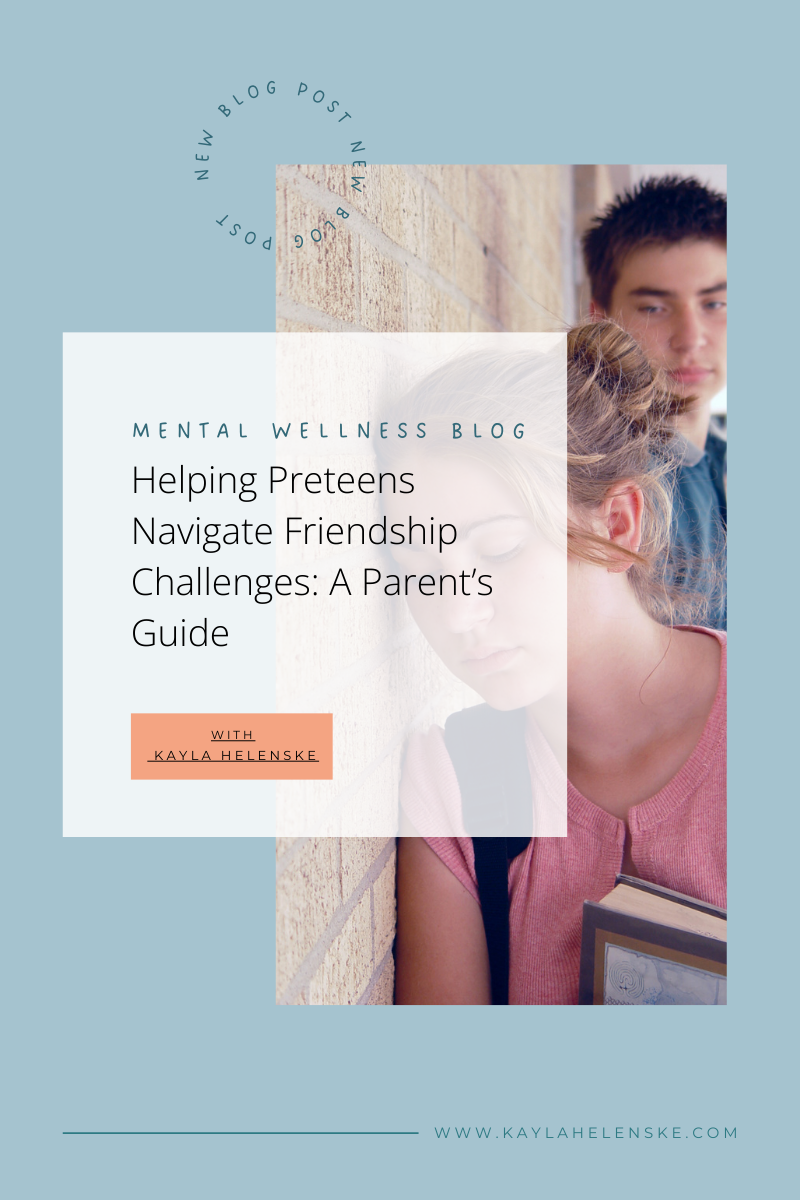
Helping Preteens Navigate Friendship Challenges: A Parent’s Guide
Friendships can be the best part of preteen life—and the hardest. Your child comes home hurt because they weren’t invited to a party or feels unsure about how to handle a disagreement. As a parent, it’s tough to watch them struggle, but these challenges are also opportunities for growth.
So how do you guide your preteen through these tricky waters without taking over?
Friendships can be the best part of preteen life—and the hardest. Your child comes home hurt because they weren’t invited to a party or feels unsure about how to handle a disagreement. As a parent, it’s tough to watch them struggle, but these challenges are also opportunities for growth.
So how do you guide your preteen through these tricky waters without taking over?
Understanding the Preteen Social World
At this age, friendships start to carry more weight. They’re about more than shared interests—they become central to identity and self-worth. That’s why every conflict feels like the end of the world to your child.
As a parent, your role isn’t to fix the problem but to equip your child with tools to handle it themselves.
Key Conversations to Have with Your Preteen
Instead of jumping in with solutions, start by listening. Ask open-ended questions like, “How did that make you feel?” or “What do you think you’ll do next?” These questions encourage your child to process their emotions and consider their options.
When they’re ready, offer gentle guidance. Share stories of your own childhood friendships—both the good and the challenging. Hearing that you’ve been through similar struggles can be incredibly reassuring.
Finally, remind your preteen that it’s okay to set boundaries. True friends respect each other’s feelings, and it’s okay to step back from friendships that feel one-sided or hurtful.
Want more tools to support your preteen? Download my free guide: How to Help Your Preteen Make Confident Choices and empower your child to navigate these challenges with self-assurance.

Understanding Your Preteen’s Journey of Self-Discovery
Preteens are at one of the most fascinating—and challenging—stages of development. They’re no longer little kids who take the world at face value, but they’re not yet teenagers equipped to fully express who they’re becoming.
This in-between stage is marked by self-discovery—a time of exploring interests, testing boundaries, and figuring out who they are. It’s exciting, messy, and often emotional.
Preteens are at one of the most fascinating—and challenging—stages of development. They’re no longer little kids who take the world at face value, but they’re not yet teenagers equipped to fully express who they’re becoming.
This in-between stage is marked by self-discovery—a time of exploring interests, testing boundaries, and figuring out who they are. It’s exciting, messy, and often emotional.
Why Self-Discovery Feels So Tricky
1. Balancing Independence and Connection
Preteens want to assert their independence, but they’re not quite ready to navigate life on their own. This push-and-pull can create tension between wanting your guidance and wanting to do things their way.
2. Insecurity Around Their Identity
They’re beginning to compare themselves to peers and internalize outside opinions. This can lead to self-doubt or fear that who they are isn’t “enough.”
3. Big Emotions, Limited Tools
From excitement to frustration to sadness, preteens are riding an emotional rollercoaster. But because their brains are still developing, they don’t always have the skills to process those feelings in healthy ways.
4. Shifting Interests and Passions
One week, it’s soccer; the next, it’s coding. Preteens are exploring what lights them up—and they may feel overwhelmed by the pressure to choose or stick with something.
How You Can Support Their Journey
• Celebrate Their Individuality
Show interest in their hobbies, even if they seem fleeting. By valuing what excites them, you’re helping them feel seen and validated.
• Foster Open Communication
Make it safe for your preteen to share their thoughts and feelings without fear of judgment. This builds trust and helps them process their emotions with your support.
• Help Them Reframe Mistakes
Remind them that growth often comes from trying and failing. Mistakes aren’t failures—they’re opportunities to learn and grow.
• Model Self-Discovery
Share your own stories of figuring out who you are—both as a kid and as an adult. Seeing you embrace your journey helps normalize theirs.
Preteens are in a beautiful season of growth, even if it feels chaotic at times. By guiding them with patience and encouragement, you’re giving them the tools to discover and embrace who they truly are.
Want more tools to support your preteen during this stage? Schedule a consult here and let’s explore how to empower them with confidence and resilience.

Building Confidence in Preteens: Small Steps That Make a Big Difference
Preteens face a whirlwind of changes—academically, socially, and emotionally. It’s a time when their self-esteem can take a hit. As a parent, you play a crucial role in helping your child build the confidence they need to navigate this stage with resilience.
The good news? Building confidence doesn’t require grand gestures. It’s about small, consistent actions that send the message: “I believe in you.”
Preteens face a whirlwind of changes—academically, socially, and emotionally. It’s a time when their self-esteem can take a hit. As a parent, you play a crucial role in helping your child build the confidence they need to navigate this stage with resilience.
The good news? Building confidence doesn’t require grand gestures. It’s about small, consistent actions that send the message: “I believe in you.”
Why Confidence Matters in Preteens
Confidence shapes how preteens approach challenges.
It impacts their ability to make friends, handle school pressures, and resist peer influence.
Low self-esteem often leads to anxiety, self-doubt, or withdrawal from activities they love.
Small Steps to Build Confidence
1. Celebrate Effort Over Results
Praise the process, not just the outcome. Example: “I saw how hard you worked on that project!”
2. Encourage Decision-Making
Let them make age-appropriate choices, from picking their outfits to planning weekend activities.
3. Model Self-Confidence
Show them how you handle challenges with self-assurance. Share your wins and how you overcame struggles.
4. Foster Their Interests
Whether it’s art, sports, or coding, support activities that spark their passion and skill-building.
5. Help Them Reframe Mistakes
Teach them that mistakes are opportunities to learn. Example: “What can we try differently next time?”
Ready to Empower Your Preteen?
Confidence is a skill that grows with practice—and the right support.
Download your free guide: The Ultimate 5 Step Guide To Help Kids Regulate Emotions + Express Thoughts & Feelings in a Healthy Way. It’s packed with practical tips to support their self-esteem and resilience!

5 Tips to Help Your Anxious Preteen Navigate the Holidays
The holiday season is a magical time, but for preteens struggling with anxiety, it can also feel overwhelming. From bustling family gatherings to endless expectations, this time of year can heighten stress and amplify their worries. As a parent, you may wonder how to help your child enjoy the season while keeping their anxiety in check.
Here are five practical tips to help your preteen navigate the holidays with confidence and calm.
The holiday season is a magical time, but for preteens struggling with anxiety, it can also feel overwhelming. From bustling family gatherings to endless expectations, this time of year can heighten stress and amplify their worries. As a parent, you may wonder how to help your child enjoy the season while keeping their anxiety in check.
Here are five practical tips to help your preteen navigate the holidays with confidence and calm:
1. Set Clear Expectations
The holidays often bring a whirlwind of activities and unfamiliar situations. Help your child feel grounded by clearly outlining what to expect.
Discuss upcoming events, who will be there and what they can look forward to.
If you’re visiting family or friends, let them know how long you’ll stay and what they can do if they start feeling overwhelmed.
Use visuals like a calendar to map out the schedule, giving your preteen a sense of control.
Knowing what’s coming can ease their anxiety and give them space to prepare mentally.
2. Create a Calm-Down Plan
No matter how well-prepared they are, moments of overwhelm may still happen. Equip your preteen with a “calm-down toolkit” they can use whenever stress strikes.
Some ideas include:
Practicing deep breathing exercises (such as inhaling for 4 counts, holding for 4, and exhaling for 4).
Bringing along a fidget tool or comforting item, like a stress ball or favorite book.
Agreeing on a quiet “safe space” they can retreat to, whether it’s a separate room or a cozy corner at a family gathering.
Remind your preteen it’s okay to take breaks whenever they need to.

3. Focus on Their Strengths
Holiday performances, group activities and family traditions often highlight social or academic skills. For an anxious preteen, these moments can trigger feelings of inadequacy. Counter this by emphasizing their strengths:
Celebrate their unique contributions, whether it’s their creativity in decorating cookies or their thoughtfulness in choosing gifts.
Remind them that it’s okay to say “no” to things that feel too much while still enjoying the season in their own way.
When your preteen feels valued for who they are, not what they achieve, it builds their confidence.
4. Practice Mindfulness Together
Mindfulness is a powerful way to manage holiday stress—for both you and your preteen. Take time to slow down and ground yourselves in the present moment.
Try these family-friendly mindfulness activities:
Savoring the moment: Notice the colors, smells, and tastes during a holiday meal or decorating session.
Progressive muscle relaxation: Take turns tensing and relaxing different muscle groups, helping release physical tension.
Gratitude sharing: Each evening, share one thing you’re grateful for about the day.
Even five minutes of mindfulness can create a sense of calm and connection.
5. Check In and Listen
The holiday rush can make it easy to overlook how your child is truly feeling. Take time to check in regularly with open-ended questions, like:
“What’s something you’re looking forward to this week?”
“Is there anything you’re nervous about with the holidays coming up?”
“What’s one thing that would make this easier for you?”
Validate their feelings and show empathy. When your preteen feels heard and understood, they’re more likely to open up and trust your guidance.
Need Extra Support? Let’s Work Together
The holidays can be especially challenging for preteens with anxiety—and for parents who want to help but feel unsure where to start. If your child is struggling with stress, self-doubt or social pressures, I’m here to help.
Together, we can create personalized strategies to help your preteen thrive—not just during the holidays, but all year round. Book a free consult today, and let’s make this season one of growth and joy for your family.
Book your free consultation today.
By implementing these tips, you’ll give your preteen the tools they need to face holiday challenges with confidence—and build memories that truly matter.